Dan
Chief Operating Officer

Dan
Chief Operating Officer
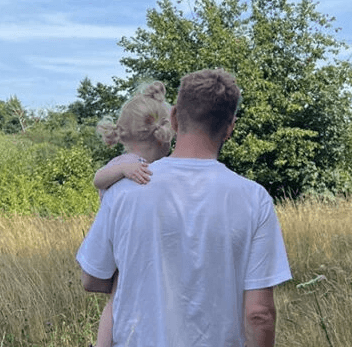
In 2023 I became a father. This new relationship and new role gave me pause for thought. What kind of father did I want to be? What emotional legacy might I unwittingly hand on to my children – both positive gifts and unwanted burdens? I’d already done a few courses to increase my self-awareness but this time I wanted to really dig into my own experience of being parented and see how that had impacted me as an adult. As part of my research I found the Hoffman Process which seemed to tick all the boxes, so in 2024 I signed up.
In 2023 I became a father. This new relationship and new role gave me pause for thought. What kind of father did I want to be? What emotional legacy might I unwittingly hand on to my children – both positive gifts and unwanted burdens? I’d already done a few courses to increase my self-awareness but this time I wanted to really dig into my own experience of being parented and see how that had impacted me as an adult. As part of my research I found the Hoffman Process which seemed to tick all the boxes, so in 2024 I signed up.
The pre-course work arrived shortly afterwards and answering the very comprehensive questions took me straight back to the upbringing that formed me. I grew up in south London, 7 years older than my two younger brothers. Our mother developed postnatal depression after my first brother was born which quickly spiralled, so home life was difficult. Our parents divorced when I was eleven and our father moving out signalled the start of a new and challenging chapter in my life.
I developed habits around overworking, over-preparing, over-contributing and over-engineering where quite frankly, I didn’t need to.
I developed habits around overworking, over-preparing, over-contributing and over-engineering where quite frankly, I didn’t need to.
Through no fault of our mother who was caught up in her own emotional battles, I experienced a lack of love, support and affection which led to me becoming self-reliant and determined to prove myself. As I grew up, I became fiercely determined to succeed against my perceived backdrop of having grown up in dysfunction. I developed habits around overworking, over-preparing, over-contributing and over-engineering where quite frankly, I didn’t need to. While this earned me professional respect and fuelled my early career growth, it also resulted in patches of burnout and strained personal relationships.
My early experience of important people in my life taught me that people are inconsistent and unpredictable. This feeling that I couldn’t depend on anyone but myself made relationships difficult, as my self-reliance meant I kept my guard up. I dealt with stress as I’d learned to do when I was young – by numbing my feelings and disassociating, with a consequent lack of emotional engagement. These are patterns I became aware of on the Process and I realised they drove much of the behaviour that I wanted to change.
In my twenties I pedalled hard with my career and cracked on. Despite an underlying sense of anxiety and insecurity, I built a personal brand around positivity to the point I wasn’t aware of these undercurrents. Instead of enjoying my success at work, my background also left me with imposter syndrome with the constant worry that I’d drop the ball on a project or task or somehow be found out. I developed a very confident and authoritative persona to get me through, to such an extent that when I first arrived at the Process some of the participants even assumed I was a facilitator.
At 32 I did the Landmark Forum course with my girlfriend – now wife – Liz. It’s a very structured 3-day intensive which had a big positive impact. It brought greater self awareness and I followed it with coaching offered by my previous company which encouraged self reflection, as well as some CBT. (Cognitive Behavioural Therapy). After that I remember looking for another major piece of personal development but the time wasn’t right. It took another 10 years before my daughter was born and I found Hoffman.
So fast forward to my enrolment in 2024: I sent back the pre course work with a sense of excitement and the course itself didn’t disappoint. It was fantastic. If I could, I’d do it again in a heartbeat. The difference once I got to the Process, compared to Landmark, was that it felt more immersive, more organic and the spiritual aspect was both eye-opening and transformative.
Seeing myself through the lens of the Hoffman Quadrinity model really helped to ground my self-awareness. This framework encourages you to see yourself as having four aspects: a body, an intellect, a spirit and an emotional self. Every day we’d explore these aspects of ourselves and encourage connection between them. I realised how much inner conflict happened for example, when my head and my heart wanted to make different choices. Even now, long after the course, I check in with these parts of myself regularly. Instead of overthinking, I take a step back and allow my spirit to have more of a voice.
I found the bashing exercise where you release intense emotion from the body quite an ordeal – and got very sore hands – but it also brought a wonderful feeling of lightness. The way the week was structured meant I experienced great highs and lows. There was never a dull moment and I was always fully engaged. The days were carefully choreographed and included meditation, visualisation, group sharing, journaling, silence, cathartic release, and CBT techniques. Over an intensive week, these tools guided me through a vivid journey of self-discovery and transformation.

For me, the biggest change during the Process was a shift in self-awareness. I was encouraged to spot the patterns I’d learned and to trace them back to source. For example my father’s pattern of avoiding conflict and my mother’s distrust and low self esteem. Then I could see the decisions I made based on these ingrained responses and choose to change them in real time.
Since doing the course I now genuinely feel more confident and grounded. Although the mental cogs are still whirring at work I feel more balanced and able to be more open and relaxed. I’ve noticed that I no longer need to prove myself. I can leave more space for others to contribute in discussions and I listen more.
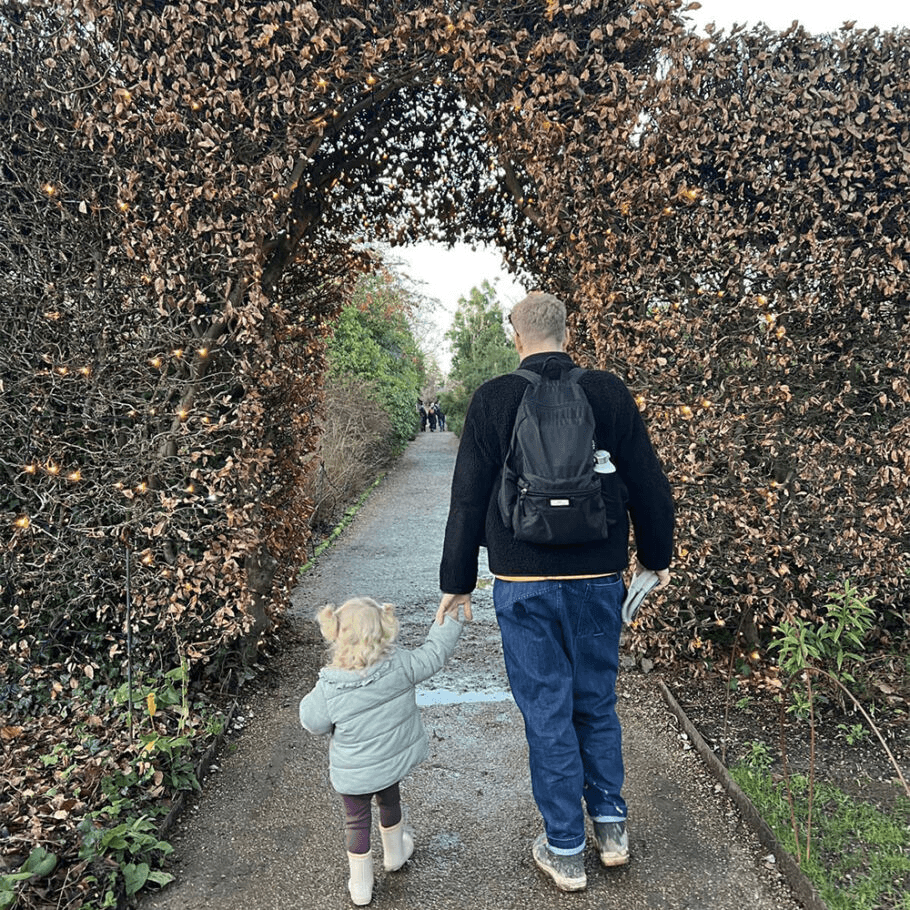
In the past I struggled to switch off from work, but now I can be much more present with my wife and child. My time with my daughter is deeper and more precious. Being a father is much more fulfilling post Process. My career remains incredibly important to me, but I’m much better at putting it down and being in the moment when I’m with those I love. I can keep better boundaries, worry less and enjoy my relationships more.
I still attend the free twice weekly check ins and other post Process support to maintain the shifts and practice the tools to ensure I keep up this new approach to life. I definitely have more compassion for myself and others and I no longer judge myself so harshly if I fall short of my own expectations.
Most of all I learned that although my past has shaped me, it no longer defines me.
The pre-course work arrived shortly afterwards and answering the very comprehensive questions took me straight back to the upbringing that formed me. I grew up in south London, 7 years older than my two younger brothers. Our mother developed postnatal depression after my first brother was born which quickly spiralled, so home life was difficult. Our parents divorced when I was eleven and our father moving out signalled the start of a new and challenging chapter in my life.
I developed habits around overworking, over-preparing, over-contributing and over-engineering where quite frankly, I didn’t need to.
Through no fault of our mother who was caught up in her own emotional battles, I experienced a lack of love, support and affection which led to me becoming self-reliant and determined to prove myself. As I grew up, I became fiercely determined to succeed against my perceived backdrop of having grown up in dysfunction. I developed habits around overworking, over-preparing, over-contributing and over-engineering where quite frankly, I didn’t need to. While this earned me professional respect and fuelled my early career growth, it also resulted in patches of burnout and strained personal relationships.
My early experience of important people in my life taught me that people are inconsistent and unpredictable. This feeling that I couldn’t depend on anyone but myself made relationships difficult, as my self-reliance meant I kept my guard up. I dealt with stress as I’d learned to do when I was young – by numbing my feelings and disassociating, with a consequent lack of emotional engagement. These are patterns I became aware of on the Process and I realised they drove much of the behaviour that I wanted to change.
In my twenties I pedalled hard with my career and cracked on. Despite an underlying sense of anxiety and insecurity, I built a personal brand around positivity to the point I wasn’t aware of these undercurrents. Instead of enjoying my success at work, my background also left me with imposter syndrome with the constant worry that I’d drop the ball on a project or task or somehow be found out. I developed a very confident and authoritative persona to get me through, to such an extent that when I first arrived at the Process some of the participants even assumed I was a facilitator.
At 32 I did the Landmark Forum course with my girlfriend – now wife – Liz. It’s a very structured 3-day intensive which had a big positive impact. It brought greater self awareness and I followed it with coaching offered by my previous company which encouraged self reflection, as well as some CBT. (Cognitive Behavioural Therapy). After that I remember looking for another major piece of personal development but the time wasn’t right. It took another 10 years before my daughter was born and I found Hoffman.
So fast forward to my enrolment in 2024: I sent back the pre course work with a sense of excitement and the course itself didn’t disappoint. It was fantastic. If I could, I’d do it again in a heartbeat. The difference once I got to the Process, compared to Landmark, was that it felt more immersive, more organic and the spiritual aspect was both eye-opening and transformative.
Seeing myself through the lens of the Hoffman Quadrinity model really helped to ground my self-awareness. This framework encourages you to see yourself as having four aspects: a body, an intellect, a spirit and an emotional self. Every day we’d explore these aspects of ourselves and encourage connection between them. I realised how much inner conflict happened for example, when my head and my heart wanted to make different choices. Even now, long after the course, I check in with these parts of myself regularly. Instead of overthinking, I take a step back and allow my spirit to have more of a voice.
I found the bashing exercise where you release intense emotion from the body quite an ordeal – and got very sore hands – but it also brought a wonderful feeling of lightness. The way the week was structured meant I experienced great highs and lows. There was never a dull moment and I was always fully engaged. The days were carefully choreographed and included meditation, visualisation, group sharing, journaling, silence, cathartic release, and CBT techniques. Over an intensive week, these tools guided me through a vivid journey of self-discovery and transformation.
For me, the biggest change during the Process was a shift in self-awareness. I was encouraged to spot the patterns I’d learned and to trace them back to source. For example my father’s pattern of avoiding conflict and my mother’s distrust and low self esteem. Then I could see the decisions I made based on these ingrained responses and choose to change them in real time.
Since doing the course I now genuinely feel more confident and grounded. Although the mental cogs are still whirring at work I feel more balanced and able to be more open and relaxed. I’ve noticed that I no longer need to prove myself. I can leave more space for others to contribute in discussions and I listen more.
In the past I struggled to switch off from work, but now I can be much more present with my wife and child. My time with my daughter is deeper and more precious. Being a father is much more fulfilling post Process. My career remains incredibly important to me, but I’m much better at putting it down and being in the moment when I’m with those I love. I can keep better boundaries, worry less and enjoy my relationships more.
I still attend the free twice weekly check ins and other post Process support to maintain the shifts and practice the tools to ensure I keep up this new approach to life. I definitely have more compassion for myself and others and I no longer judge myself so harshly if I fall short of my own expectations.
Most of all I learned that although my past has shaped me, it no longer defines me.